Research
Instruments of the mind: A theoretical and computational study of numerical notation systems
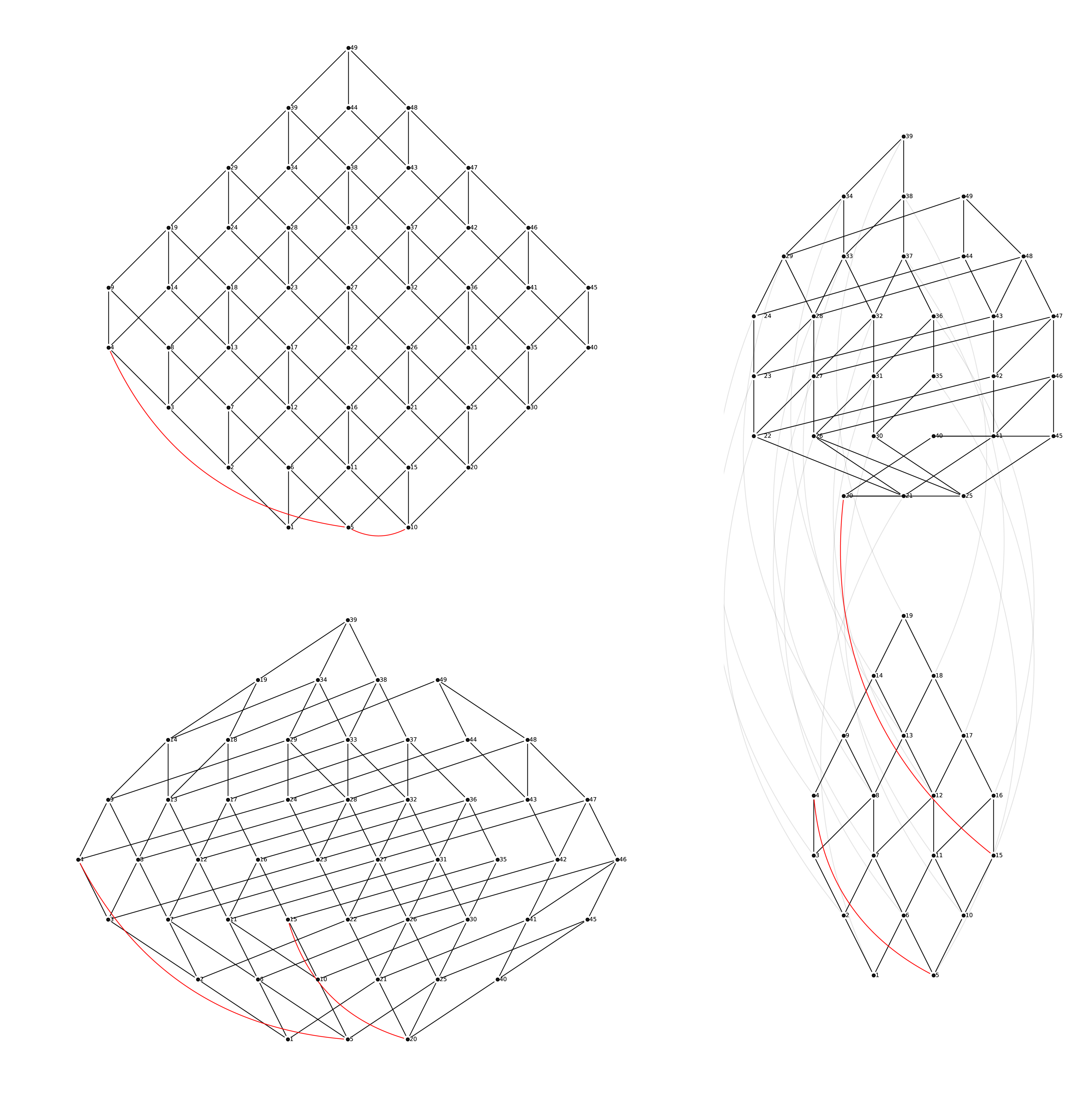
Humans can estimate approximate quantities independently of language or symbolic number systems. However, to perform precise calculations we rely on notations for numbers. Symbolic number systems are ‘instruments of the mind’: they allow us to form thoughts and make inferences that go beyond what we can do with our bare brains, just like physical instruments extend what we can perceive and do. Number notations facilitate computation in virtue of syntactic relations among numerals that both preserve and reflect arithmetic relations among numbers. In other words, number notations do not merely represent structure — they instantiate it via partial embeddings. This allows for the manipulation of numerals in ways that track underlying arithmetic relations. This mirroring of syntax and semantics is a characteristic of diagrammatic reasoning and explains the cognitive trade-offs that number notations make: For example, the more structure is embedded in a notation, the easier inferences become that exploit this structure — however, this comes at the expense of making the system’s representations more constraining. My dissertation investigates the hypothesis that those number systems that we find throughout history strike a balance between system complexity and efficiency in representation and computation.